

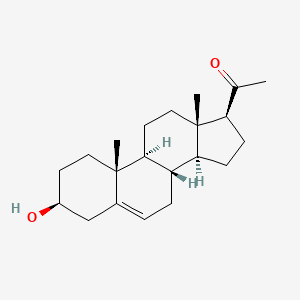
A 2D image of the chemical structure of Pregnenolone.
By now, hormone replacement therapies have gone mainstream. I’m sure most women have heard about the many benefits of estrogen and progesterone replacement therapies. And men everywhere are no stranger to the lauded upsides of testosterone replacement therapy (TRT), but there is one hormone that remains conspicuously under the radar, and undeservedly so.
This often overlooked hormone is Pregnenolone: an important neurosteroid and precursor to all our other steroid hormones.
This is why pregnenolone has been called, for good reason, “the mother of all hormones,” as it sits at the top of the steroid cascade. It is synthesized in the brain, and the lymphocytes (white blood cells), and utilized in the endocrine glands throughout the body to make other hormones.
Pregnenolone is known to play a critical role as an anti-inflammatory molecule in the immune system. Deficient levels of pregnenolone have been observed in neuro-inflammatory conditions, such as Bipolar disorder. Pregnenolone is neuroprotective and neuroregenerative. In other words, it directly influences the way that neurons grow, repair and communicate in a positive fashion. Not only that, but because pregnenolone converts into progesterone, DHEA, cortisol, estrogen, and testosterone, sufficient levels are likewise foundational for stress, mood, fertility, metabolism, reproductive health, and more.
And unfortunately, like most of our hormones, pregnenolone declines with age.
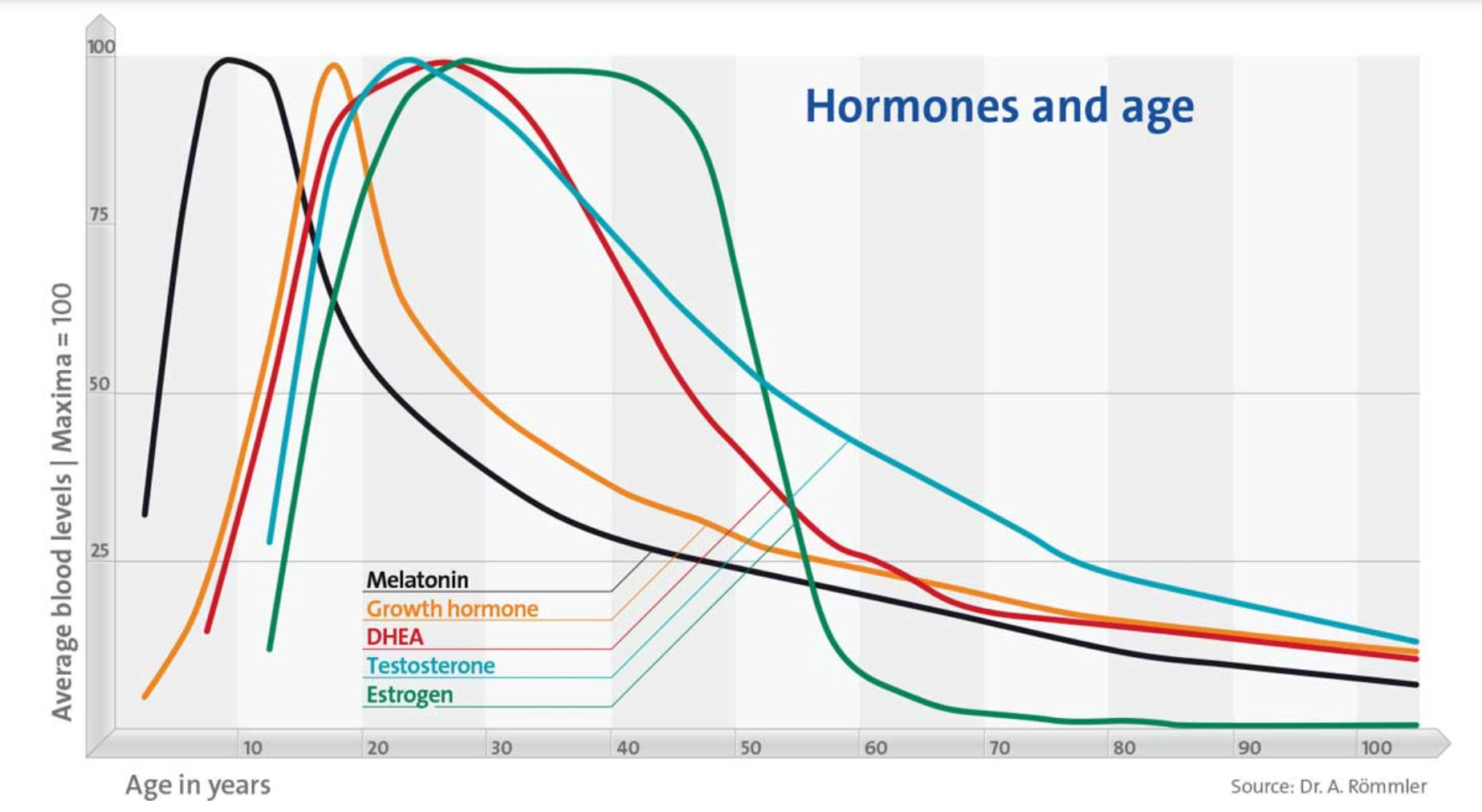
As you can see on this graph for adult men and women, all our hormones decline with age, and pregnenolone is no different.
How Pregnenolone Is Made
Endogenous Pregnenolone Steriodogenesis: Pregnenolone is synthesized by various endocrine glands in the mitochondria from the cleavage of cholesterol by CYP11A1. CYP11A1 is an enzyme found in all steroidogenic (steroid-producing) cells including all zona of the adrenal glands, gonads, and placenta (Guo et al., 2007). These enzymes are located in the membranes of the endoplasmic reticulum and mitochondria—different sub-compartments or “organelles” inside our cells—of these endocrine glands.
How it works, essentially, is that cholesterol from your diet or made in the liver is brought to your cells.
From there, a protein called steroidogenic acute regulatory protein (StAR) delivers cholesterol into the mitochondria—which you may have heard of as our “cellular energy factories.” This is what’s known as the “rate limiting step” of pregnenolone synthesis. In other words, this is where a bottleneck is most likely to occur: where the pathway is most vulnerable to perturbation and where things can go sidewise.
Lastly, the CYP11A1 enzyme does its magic, and converts cholesterol into pregnenolone.
Things can go wrong on many levels, leading to impaired pregnenolone production. For example:
chronic inflammation can globally downregulate steroidogenic enzymes & impair mitochondrial function
oxidative stress, toxin exposure, and nutrient deficiencies can all reduce mitochondrial efficiency, compromising pregnenolone production
dysfunction of the StAR protein that transports cholesterol into the mitochondria can be the result of aging, inflammation or chronic stress
CYP11A1 efficiency can be affected by inflammation, endocrine disruptors, or even genetic variants (rare)
even something as simple as blood sugar dysregulation, such as in cases of prediabetes and type 2 diabetes, can alter steroid hormone output
As you can see, there are many potential avenues for disruption of this multi-step, tightly regulated process.
Who Pregnenolone Therapy is Best For
Pregnenolone truly has great promise in medicine today as an adjunctive modality alongside medications and hormone replacement therapies for optimal neurological, neuropsychiatric, and longevity medicine. It’s rarely a monotherapy—meaning it’s typically used in tandem with other synergistic approaches like testosterone replacement therapy (TRT), bio-identical hormone replacement therapies (BHRT), herbal medicines for the nervous & endocrine systems, psychiatric medications for Bipolar Disorder, Anxiety, and Schizophrenia.
Clinically, I have found pregnenolone is indicated for:
People under chronic stress
Post-concussive syndrome (PCS)
Patients on hormone replacement therapy (BHRT) for long periods of time (> 1 year), typically are more pregnenolone deficient
Chronic inflammatory response syndrome (CIRS), also known colloquially as “mold toxicity” or “biotoxin illness”
People suffering from Mast Cell Activation Syndrome (MCAS)
Chronic Fatigue Syndrome (CFS)
While the research is not entirely in-step with every one of these clinical scenarios yet, I believe the mechanistic research on this important neurosteroid has revealed clinical utility beyond the current clinical evidence available, rendering pregnenolone aptly suited for these particular patient subsets.
Current clinical human research trials have demonstrated efficacy of pregnenolone for neuropsychiatric conditions, such as:
Schizophrenia
Bipolar depression
Alcohol Use Disorder (AUD)
Cocaine Use Disorder (CUD)
Preliminary evidence has also shown pregnenolone may be promising for other conditions such as:
Migraines (especially Menstruating-Related Migraine)
General Anxiety & Stress regulation
Major Depression (non-Bipolar type)
Memory & Cognitive Deficits
Neuroinflammation and Neuroprotection
Type 2-Diabetes
Post-Traumatic Stress Disorder (PTSD) & other trauma-related disorders
Here’s the crucial point, many are missing, as to why clinicians should consider the use of pregnenolone beyond these above listed conditions. It’s the same reason why I have witnessed it be therapeutic in the aforementioned clinical cases (CIRS, MCAS, CFS, post-concussive syndromes etc.) as well patients on longterm hormone replacement therapies and mood disorders:
When we step back and realize that in chronic illness care, our patient’s brains are oftentimes inflamed, either from physical trauma, emotional traumas, biotoxins in the case of CIRS, other environmental toxicants, or infections—and that our therapeutics should be aimed at decreasing our patient’s neuroinflammation and increasing neuroprotection as a primary objective—then the utilization of neurosteroids, such as pregnenolone now makes more sense.
Pregnenolone addresses central inflammation, and central inflammation is a hallmark of most complex chronic illness.

Case Study on Pregnenolone Use
Here’s a case study of a patient with post concussive syndrome that could benefit from pregnenolone replacement therapy to showcase how I have used it in clinical practice. The patient’s serum blood test results show pregnenolone levels far below the optimal range (<125 ng/dL).
Optimal serum pregnenolone levels according to Dr. Dicken Weatherby:
Male: 125 - 200 ng/dL
Female: 130 - 230 ng/dL
Below is an image of the patient’s lab result showing a clear deficient pregnenolone level, indicating utility of pregnenolone replacement:

This patient has been struggling with the following conditions or symptoms for years:
Post-Concussive Syndrome
Mold Illness
Chronic Fatigue
Chronic Stress
Forgetfulness
Chronic Inflammatory Response Syndrome (CIRS) from mold & sewer gas exposures
Off & on Testosterone Replacement Therapy (TRT) for a decade
I have found in clinical practice that all of the above mentioned symptoms and chronic conditions can be related to, or exacerbated by, pregnenolone deficiency.
The patient’s Action Plan
A key aspect of the patient’s action plan includes supplemental pregnenolone daily alongside adrenal herbs to help optimize their pregnenolone levels. They will begin with 50 mg of pregnenolone before bed and titrate up to 100 mg per day, eventually working up to 100 mg both morning and evening for 6-months, after which time we will retest.
If they get acne, a potential side effect of excess pregnenolone, they have been instructed to decrease their dosage of pregnenolone by 50mg/day and to take 30 mg of zinc per day with food.
Symptoms they may see ameliorated or improved with pregnenolone replacement are:
Memory
Mood: Anxiety & Depression
Fatigue
My Vision for Pregnenolone Moving Forward
In summary, pregnenolone is a promising neurosteroid intervention showing impressive results for patients with schizophrenia, bipolar depression, alcohol use disorder, and cocaine use disorders in the clinical research.
However, I think we can broaden the lens here more and use it in clinical practice for many other conditions. The reason we can utilize pregnenolone deficiency for a wide range of chronic illnesses is that many of them have neuroinflammation and HPA-Axis dysregulation (aka - “adrenal fatigue”), and require neuroprotection, which pregnenolone can in part address.
I hope this has given you greater insights into pregnenolone deficiency and the importance of correcting it.
If you have used pregnenolone personally or in clinical practice, I’m curious to hear your experience in the comments below.