


*Medical Disclaimer: This post is for educational and informational purposes only and is not intended as medical advice, diagnosis, or treatment. Always consult with your physician or qualified healthcare provider before making changes to your medications, diet, exercise, or healthcare plan.
I have been struggling with high blood pressure (aka - hypertension) since January 2025. Before 2025, I had textbook perfect blood pressure, 120/80 mmHg, every time it was measured.
Your blood pressure is recorded as two numbers:
Systolic blood pressure is the first (top) number. This measures the pressure your blood exerts against your artery walls when your heart actually beats and pumps blood through your body.
Diastolic blood pressure is the second (bottom) number. This measures the pressure against your artery walls while your heart muscle rests and recovers between beats.
Now, my systolic blood pressure, the top number, had climbed up above 140 mmHg, which was concerning, because this is stage 2 hypertension. And in the evenings when blood pressure levels typically decline, it would hover around mid-130s systolic, which is still considered stage 1 hypertension.
Why is this concerning?
Because high blood pressure can increase our risk of heart attacks and strokes, the leading causes of death in the USA and the developed world. In 2023, high blood pressure was the primary cause of 664,470 deaths in the USA alone!
Globally, high blood pressure is a preventable condition impacting 1.4 billion adults aged 30-79, representing 33% of the population in this age range. It is a leading cause of heart attacks, stroke, chronic kidney disease, and dementia, the good news is it is both preventable and treatable.
As an aside, if your blood pressure readings are >180/120 mmHg seated with 2 readings and you have the following symptoms:
Chest pain
Shortness of breath
Back pain
Numbness
Weakness
Change in vision
Difficulty speaking
Then this is a hypertensive emergency and you should call your local Emergency Medical Services (9-1-1 in the USA).
While I was not having a hypertensive emergency, I did many things to lower my blood pressure, but what finally worked were the following non-prescription interventions combined together that I will go into more detail below.
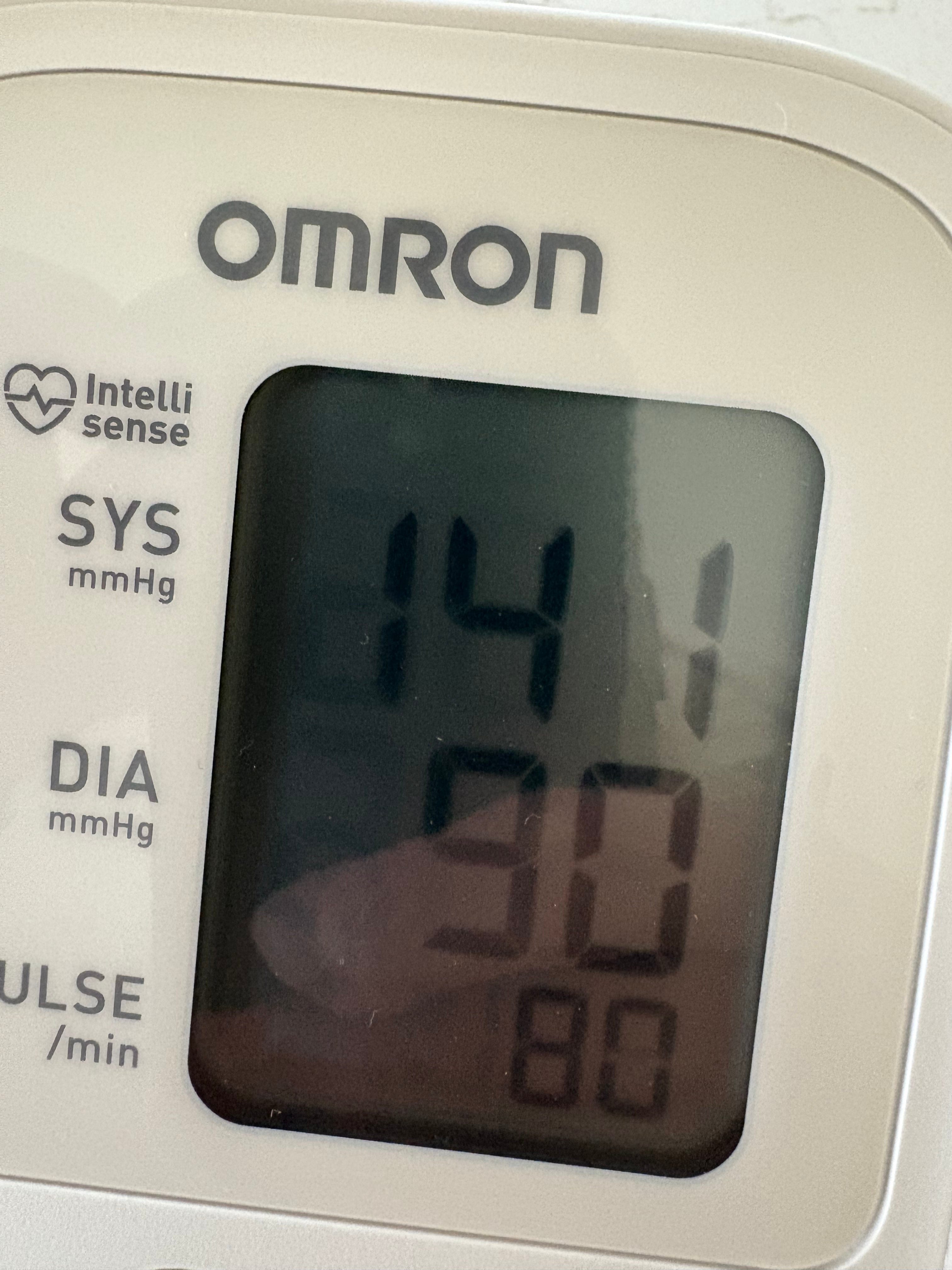
First, I discontinued taking licorice root, because it raises blood pressure via increasing blood volume, sodium retention, and potassium excretion. More specifically, licorice root extracts increase blood pressure via the active constituent in it called, glycyrrhizin. Glycyrrhizin inhibits an enzyme called, 11-beta-hydroxysteroid dehydrogenase type 2 (11β-HSD2). 11β-HSD2’s job is to inactivate your cortisol to cortisone, so cortisol doesn’t flood your aldosterone receptors in your kidneys. With 11β-HSD2 enzyme being inhibited by glycyrrhizin now cortisol floods your aldosterone receptors tricking your kidneys to retain water and sodium causing higher blood volume, which leads to higher blood pressure. And next potassium gets dumped in the urine in the process by the kidneys leading to even high blood pressure via vasoconstriction. This is called pseudohyperaldosteronism caused by licorice root extracts. This is why deglycyrrhizinated licorice (DGL) root is used for gut health, because it doesn’t cause hypertension in people.
While I wasn’t taking licorice root when I first noticed I had high blood pressure, it was making it worse. This helped, but the results didn’t last. My systolic blood pressure started climbing back up about two weeks later. So now I knew it wasn’t just the licorice root alone causing my high blood pressure.
Mineral Balancing. Next I decreased my sodium intake from 2,000 mg to 500 mg by switching the type of electrolytes I was putting in my water. Simultaneously focused on increasing my potassium and magnesium intake. Magnesium and potassium are both important for proper vascular health, vasodilation (the smooth muscle that surrounds your blood vessels relaxes its grip when magnesium is adequately supplemented in the body), and appropriate heart rate and cardiac rhythm.
My daily magnesium intake goal is 400 mg - 500 mg.
My daily potassium goal through supplements and food is 3,400 mg. Potassium is vasodilating. And potassium deficiency is a major cause of cardiovascular illnesses, stroke, and high blood pressure. Most of us are somewhat potassium deficient today.
Also, here’s a link to the electrolytes I mix into my water every morning with higher amounts of potassium and lower amounts of sodium than other electrolytes people like to use… click here to get your discount.
I used a vagus nerve stimulation, specifically, the Hoolest VeRelief.
Vagus nerve stimulators help get your body into a parasympathetic state, think “rest and digest”, by powerful stimulation of the vagus nerve (cranial nerve 10). The vagus nerve innervates many internal organs, most importantly in my case of hypertension, the heart and lungs. As is laid out in the polyvagal theory, we need to get the body into parasympathetic state for it to heal. So, stimulating the vagus nerve via a device like the VeRelief, designed to help prevent a panic attacks by Hoolest, truly is relaxing and induces a state of calm. Sometimes it may even make people feel fatigued since their body is so “wired and tired.”
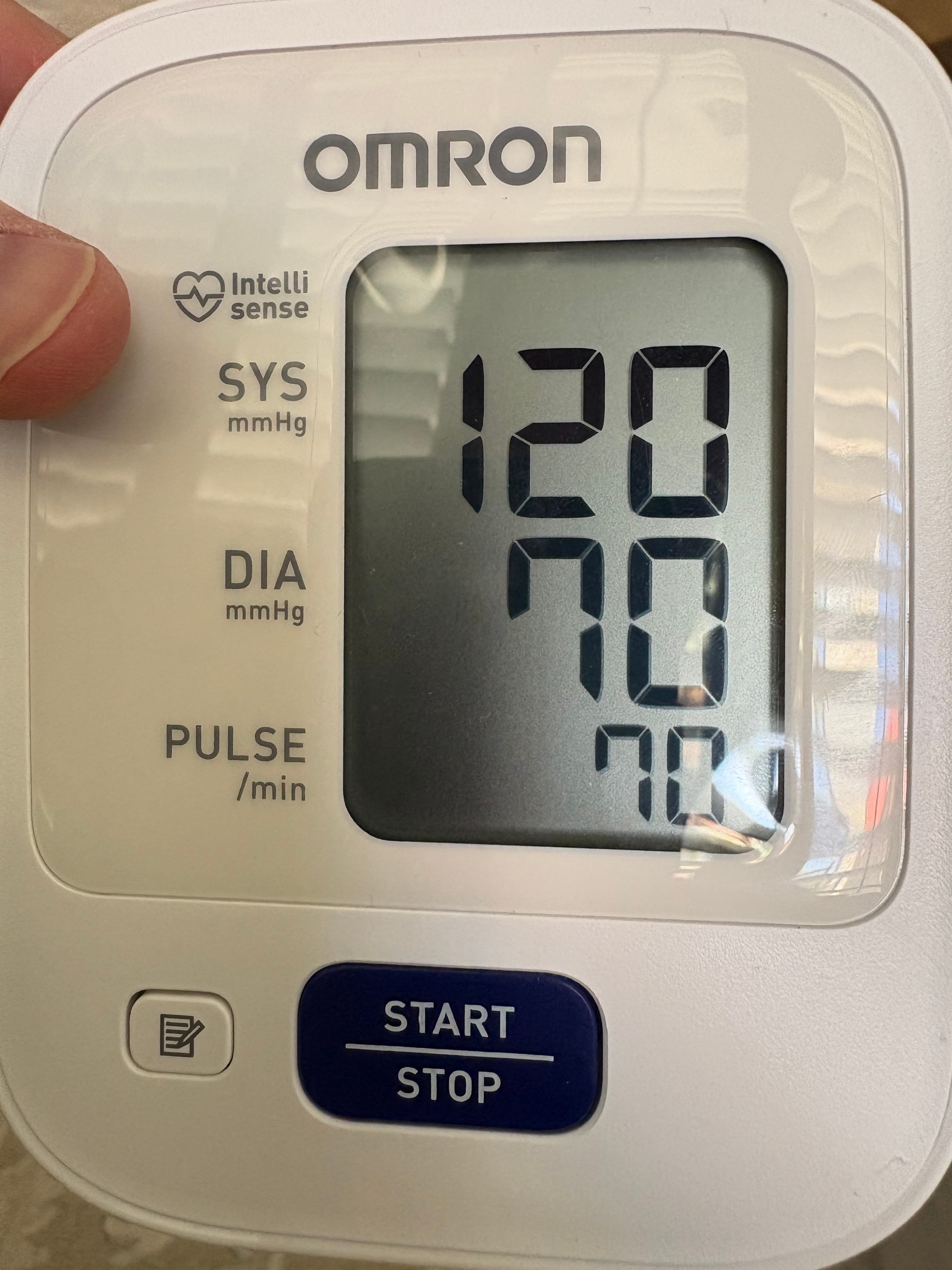
Below is an image of my blood pressure after I used the vagus nerve stimulator by Hoolest. It was not until I started using the vagus nerve stimulator combined with the other interventions on this list that I was able to lower my blood pressure. It is fast acting. You only need to use if for 1-5 minutes 1-2x per day typically and usually I notice benefits within 1 minute or less. Since we know stress is a major cause of hypertension along with diet, this makes sense that if we activate the parasympathetic nervous system and improve nervous system tone, then the body will adjust showing results in realtime in our vital signs, like blood pressure, body temperature, and heart rate. VeRelief has been tested in hundreds of participants in placebo controlled trials showcasing its efficacy and safety. You can purchase your Hoolest vagus nerve stimulator here.
Below is my blood pressure after using the vagus nerve stimulator.
*Word of caution: please read the manufacturer’s contraindications, such as anyone with a pacemakers cannot use the Hoolest vagus nerve stimulators.
I chew a special gum called BALANCE by Berkeley Life daily to increase my nitrous oxide (NO) levels, which vasodilates blood vessels. Most of us have deficient nitrous oxide levels due to a multitude of factors, such as diet, stress, toxins, inflam-aging, etc. You can test your NO levels with salivary strips from Berkeley Life too. This Balance gum by Berkeley Life brought my blood pressure down from 142 mmHg into the low 130s mmHg systolic pressures. It alone was also not enough so I had to do everything listed above together. Once I combined everything then I got results! If you would like to try their vasodilating capsules or gum, I also love it for focus during my work days, you can get 15% off your first order here.
Meditation. Meditation helps me to train my mind and nervous system to reset and it is free and you can do it anywhere. I like to use meditations I find on Spotify or different apps I use like the Calm app. 10-20+ minutes of meditation every morning is ideal and sometimes again in the evening. It has even been shown to increase DHEA levels in the body.
Honestly, it has been a true relief to reverse my high blood pressure without prescription medication. I hope this has been insightful for you too. I’m sure we all know someone in our life who has high blood pressure and could benefit from this information. So, if this approach resinates with you please like, share, and follow me here for more educational posts in the future.
Lastly, after a hiatus from private practice, I am now accepting new patients now for my telemedicine practice for Arizona and Montana residents!
If you would like to schedule a 30-minute discovery call with me please click here to schedule at your convenience. During this Zoom video discovery call we can discuss your goals, what you have tried in the past, what you are looking for in a practitioner, and how I work with patients individually, and much more. And if it is a good fit you can sign-up to become a patient on the call.
Thank you for your time and for reading this far!
Stay Free,